


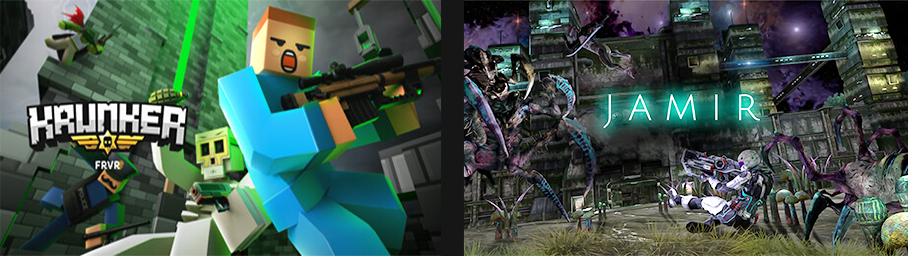
FPS IO games have redefined the landscape of browser-based gaming, offering players the thrill of first-person shooters directly in their web browsers. Central to this revolution is Three.js, a JavaScript library that extends WebGL’s capabilities, accessible at threejs.org. While not a game engine in the traditional sense, Three.js has been pivotal in crafting immersive, high-quality FPS IO games, demonstrating its versatility and power.

The Unconventional Power of Three.js
Contrary to common belief, Three.js is not inherently a game-making library. However, its robust set of 3D graphics tools has led to the creation of impressive FPS IO games. It provides a framework that, when harnessed with creativity and skill, can result in stunning FPS demos and fully realized games, rivalling those made with dedicated game engines.

FPS IO Games: A Showcase of Three.js
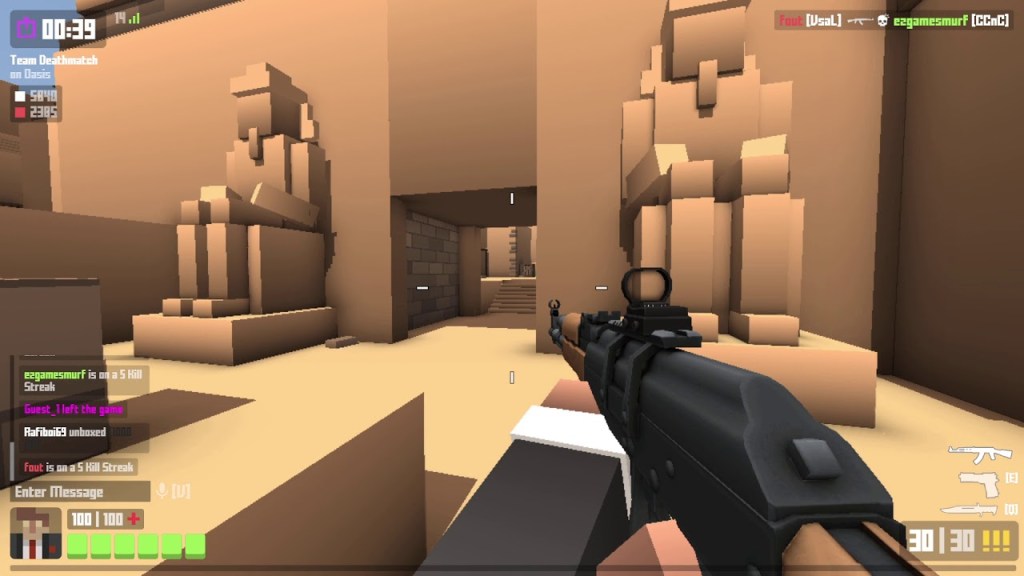
The realm of FPS IO games serves as a perfect canvas to appreciate the merits of Three.js. Titles like Krunker.io, JAMIR, Narrow One are more than games; they are testaments to the library’s capability to deliver real-time, high-fidelity graphics that are typically expected from standalone software. These FPS IO games stand as a beacon, guiding the way for future developments in browser-based gaming.

Beyond Gaming: Three.js’s Multidisciplinary Impact
The significance of Three.js transcends the world of FPS IO games. Its impact is felt across various industries that leverage 3D visualizations and WebGL technologies. From architectural visualizations and interactive simulations to educational tools and virtual art galleries, Three.js is enabling a new dimension of web experiences that are visually rich and interactive.
The Advantages of Three.js in FPS IO Games and Beyond
FPS IO games benefit from Three.js in terms of performance, accessibility, and scalability. This synergy allows developers to build experiences that are both complex in design and smooth in execution, with no need for users to leave the browser or install additional software. Furthermore, the adaptability of Three.js across different industries showcases its potential to become a cornerstone in the broader 3D web ecosystem.
Conclusion
Three.js is carving a niche for itself, not just within the FPS IO games domain but across the web at large. It exemplifies the merging paths of web development and graphic design, enabling developers and artists to push the boundaries of what’s possible in web-based applications. As we look to the future, the influence of Three.js on the evolution of FPS IO games and interactive 3D web content is undeniable.
Call to Action
Delve into the world of FPS IO games with the likes of Krunker.io, JAMIR and Narrow One to witness the capabilities of Three.js firsthand. Whether you’re a game enthusiast or a professional in an industry leveraging 3D web technologies, Three.js represents an exciting, accessible, and powerful tool to bring your visions to life. The future is three-dimensional, and it’s here to transform your web experience.
 Fps Io Games
One thought on “Leveraging Three.js: How It’s Revolutionizing Browser-Based Gaming”